How to Make Your Mix Louder Without Destroying It - A Practical Guide for Producers in 2026
Learn how to make your mix louder without distortion using limiting, gain staging, EQ, and monitoring tips. A practical 2026 guide for cleaner, punchier masters.
If you want a louder, more competitive mix, the key is understanding gain staging, headroom, EQ balance, and gentle limiting. You do not need to crush your track or sacrifice clarity. This guide explains how to increase loudness while keeping punch, dynamics, and musicality.
Below you will find practical steps, producer tested techniques, and real examples used in mixdown and mastering lessons at Future Sound Academy.
Why Loudness Matters
A louder mix is not just about volume. It improves clarity on small speakers, helps your track compete in playlists, and reduces the need for extreme mastering. However, loudness must be achieved without distortion, clipping, or flattening the track.
The goal is controlled energy, not crushing dynamics.
Step 1. Get Your Gain Staging Right
Good loudness starts before mixing. Keep your levels clean to avoid clipping and unwanted saturation.
Key gain staging principles:
• Keep individual tracks peaking around minus twelve to minus six dB
• Keep your master bus peaking around minus six dB before limiting
• Avoid pushing audio into the red at any stage
• Keep your plugins operating at healthy levels
This creates headroom and ensures the limiter at the end can work efficiently.
Step 2. Remove Mud and Frequency Build Up
A mix cannot be loud if the low mids and subs are overcrowded. They use the most energy and cause limiters to work harder.
What to check:
• Kick and bass clashing around 80 to 150Hz
• Muddy instruments stacking around 200 to 400Hz
• Unnecessary sub frequencies below 30Hz
Small EQ cuts here make a big difference in perceived loudness.
Step 3. Control Peaks with Compression
The louder you push your mix, the more peak spikes will cause distortion. Instead of limiting everything, control the peaks earlier.
Useful compression examples:
• Light compression on vocals to control plosives and loud phrases
• Slow attack compression on drums to keep punch but reduce peaks
• Multiband compression for smoothing harsh upper mids
Compression should shape dynamics, not squash them.
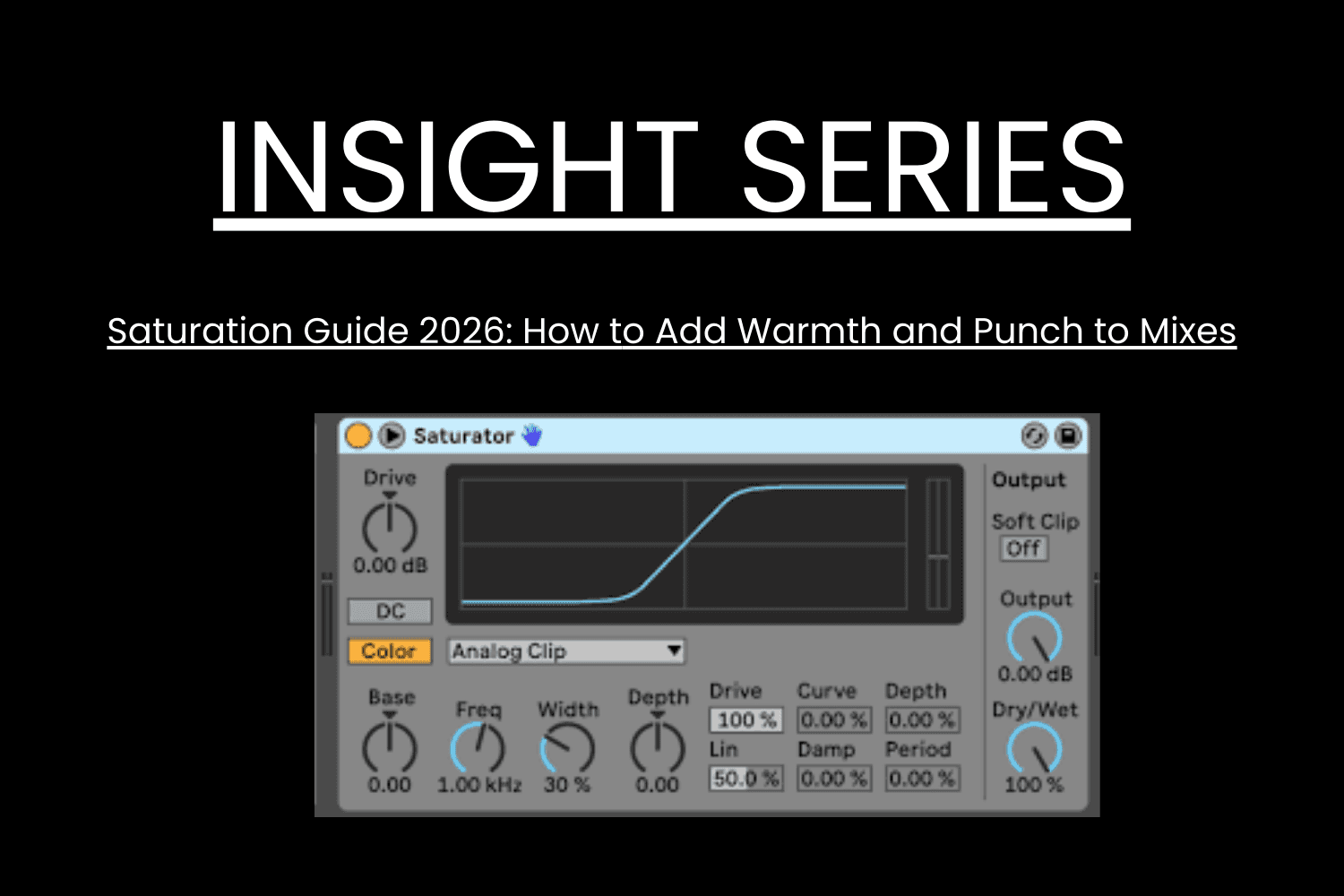
Step 4. Use Saturation to Increase Perceived Loudness
Saturation is one of the most effective loudness tools. It adds harmonics, making sounds feel louder without increasing the volume.
Great places to use saturation:
• Drums and percussion
• Basslines that need presence on small speakers
• Vocals for warmth and clarity
• The master bus for subtle glue
Soft clipping is especially useful for taming peaks while adding punch.
Step 5. Balance Your Mix for the Limiter
Before you even touch your limiter, your mix should already feel balanced.
Check these before mastering:
• Is the bass too loud? If yes, the limiter will pump
• Are the highs too sharp? If yes, the limiter will distort
• Are vocals too dynamic? If yes, the limiter will drag them down
A properly balanced mix requires far less limiting to reach a competitive loudness.
Step 6. Use Limiting as the Final Step
A limiter does the final push, but it should not be the tool doing all the heavy lifting.
Limiter settings to try:
• Set ceiling to minus one dB for streaming
• Increase gain until you hear distortion, then pull back
• Aim for two to four dB of gain reduction on the loudest parts
If your limiter is working more than that, your mix needs more pre balancing.
Step 7. Compare to Reference Tracks
Always use at least one reference track in the same genre to check loudness, punch, and frequency weight.
When comparing:
• Match volumes so you are not fooled by loudness
• Listen to low end balance
• Check transient sharpness
• Observe overall density of the mix
This keeps your expectations realistic and prevents over mastering.
Step 8. Test on Different Systems
A mix can feel loud in your studio but weak on other systems.
Test on:
• Small phone speakers
• Car stereo
• Cheap earbuds
• Bluetooth speakers
A loud mix should feel consistently present across all systems without distortion.
Common Mistakes That Destroy Loudness
Here are things to avoid if you want a clean loud mix.
• Boosting bass instead of balancing it
• Overusing the limiter as the primary tool
• Excessive compression removing punch
• Harsh top end that becomes shrill at high volumes
• Adding loudness before balancing the mix
Loudness comes from structure, not brute force.
Real World Example from Future Sound Academy Lessons
During mixdown sessions, one of the most common issues is producers boosting the kick and sub to make the track feel powerful. This usually results in the limiter clamping down on the whole mix.
Once we reduce the sub energy and slightly saturate the kick, the mix becomes louder, cleaner, and more professional.
The fix is almost always balance, not volume.
Final Thoughts
Making your mix louder without destroying it is about preparation, not pushing. When your gain staging, EQ balance, compression, saturation, and limiting all work together, your track will compete with professional releases while staying clean and punchy.
If you want hands on guidance, Future Sound Academy offers mixdown lessons, Ableton coaching, production courses, and mastering support for producers at all levels.