Best DJ Headphones 2026 – Complete Comparison & Buyers Guide (Tested for Real DJing)
Discover the best DJ headphones in 2026, featuring Pioneer HDJ-X10 and Sennheiser HD 25. Expert reviews, pros, cons, and top picks from Future Sound Academy.
When it comes to DJing, your headphones are more than just gear — they’re your connection to the mix. Whether you’re cueing tracks in a packed club or prepping a set at home, the right headphones can make a huge difference to your performance and confidence.
At Future Sound Academy, we’ve tested a wide range of headphones in real-world DJ lessons, studio sessions, and high-volume club prep. This updated 2026 buyers guide expands our original review with 12 models, detailed comparisons, and practical insights based on what actually matters when you’re behind the decks.
Last updated: April 2026
Table of Contents
What to Look for in DJ Headphones
Best DJ Headphones of 2026 – Categorized
Side-by-Side Comparison Table
Real Feedback from Future Sound Academy
Which Headphones Should You Choose?
Ready to Try Pro Gear Hands-On?
What to Look for in DJ Headphones
Before diving into the models, here’s what truly matters for DJing (based on our academy testing):
Durability — Can they handle travel, drops, and long-term wear and tear?
Sound isolation — Will they block out loud booth monitors so you can clearly hear your cue?
Comfort — Are they wearable for hours without ear fatigue?
Swivel ear cups — Ideal for one-ear monitoring when beatmatching.
Sound clarity — Especially in the mids and highs, which are critical for cueing and matching beats.
Cable & practicality — Detachable/coiled options and wired vs wireless trade-offs (latency is key for live use).
Value & repairability — Important for beginners or long-term ownership in 2026.
Best DJ Headphones of 2026 – Categorized Comparison
Best Overall / Professional Choice: Pioneer HDJ-X10
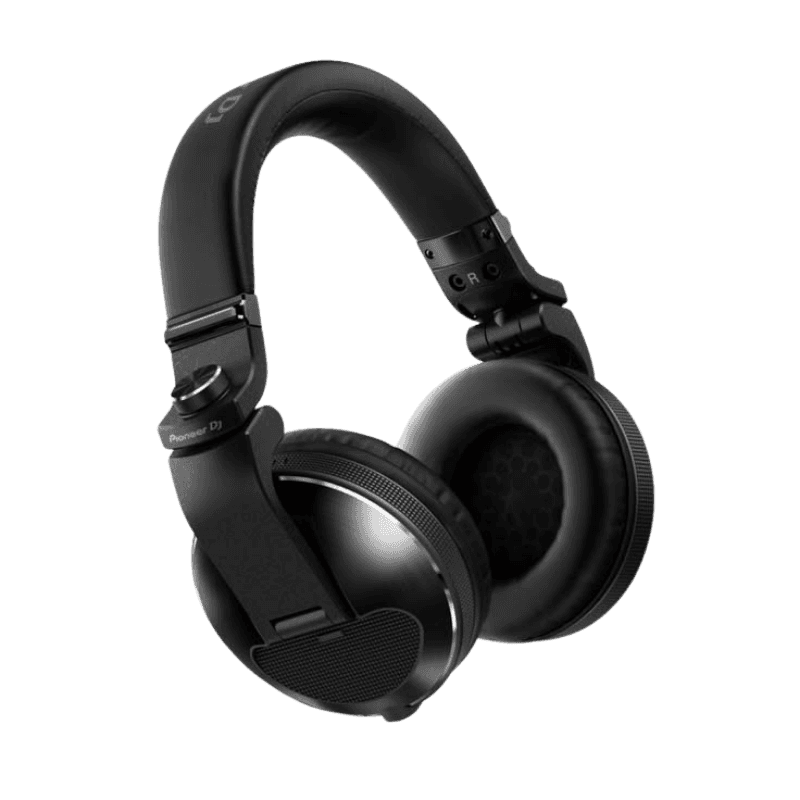
Price: Approx. £300 Best for: Regular gigging DJs and pros needing reliability in loud clubs.
The Pioneer HDJ-X10 is built like a tank for serious performance. It offers superb sound isolation, punchy yet controlled bass, and one of the toughest builds available. Our instructors use them in high-volume club prep sessions and trust them to deliver every time.
Pros:
Excellent noise isolation even in loud booths
Very durable with easily replaceable parts
Comfortable for long sessions
Clear, versatile sound that works for both DJing and production
Cons:
On the pricier side
A bit bulky for casual travel
Best for Learning & Reliable Cueing: Sennheiser HD 25
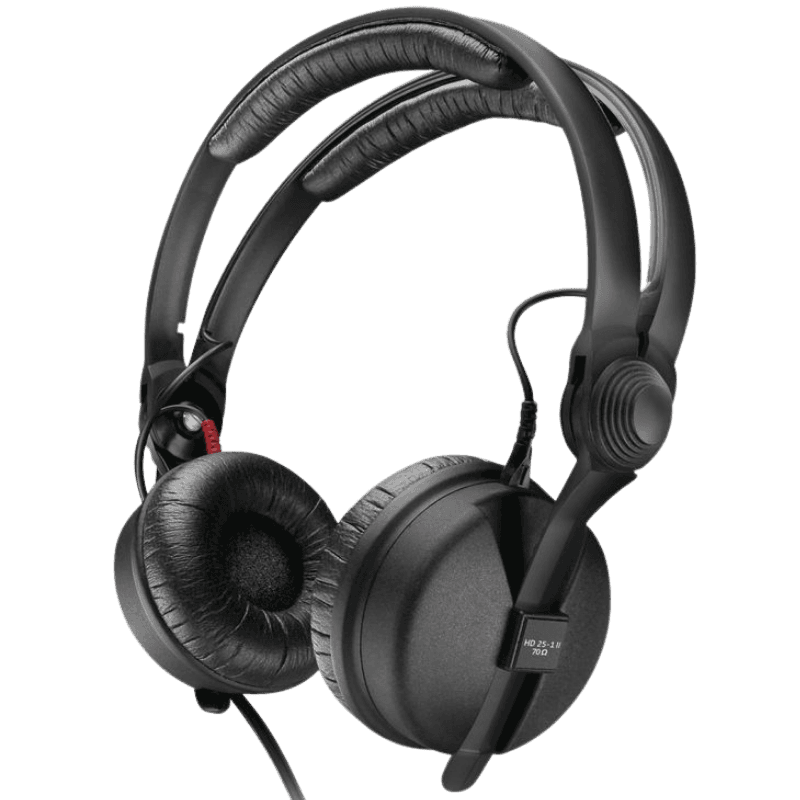
Price: Approx. £130 Best for: Beginners, intermediate students, and club-focused beatmatching.
The Sennheiser HD 25 is a true classic that refuses to be beaten for cueing. Lightweight and rugged, these deliver the sharp mids and highs that make beatmatching feel intuitive. Many of our students notice immediate improvements in accuracy during lessons.
Pros:
Lightweight and compact
Excellent sound clarity for precise cueing
Widely used by professionals and extremely durable
Great value for the performance
Cons:
On-ear design may not suit everyone for very long sessions
Fixed cable (modifications are possible)
Best Modular & Sustainable: AIAIAI TMA-2 DJ Preset
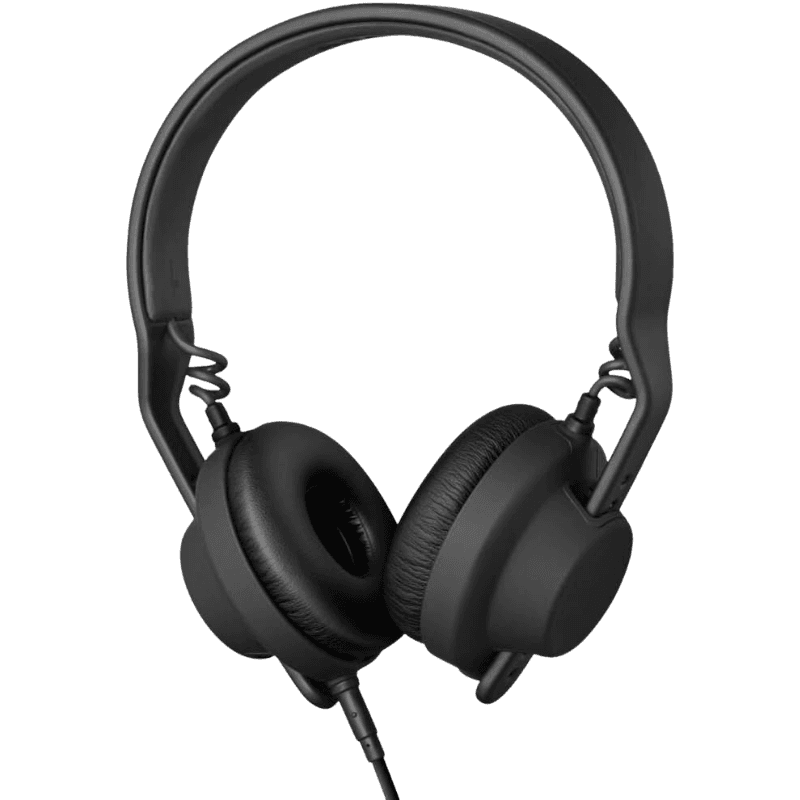
Price: Approx. £180 Best for: DJs who value customisation, repairability, and sustainability.
The AIAIAI TMA-2 stands out for its modular design — you can swap drivers, headbands, and ear cups easily. It delivers clean, punchy sound tailored for DJing while being easier to maintain long-term and more environmentally friendly.
Pros:
Fully customisable and repairable components
Clean, punchy sound suitable for cueing
Sustainable build with recycled materials
Cons:
Isolation is good but not the absolute best in extremely loud environments
Choosing the right preset takes a little consideration
Best All-Rounder for Producers Who DJ: Audio-Technica ATH-M50x
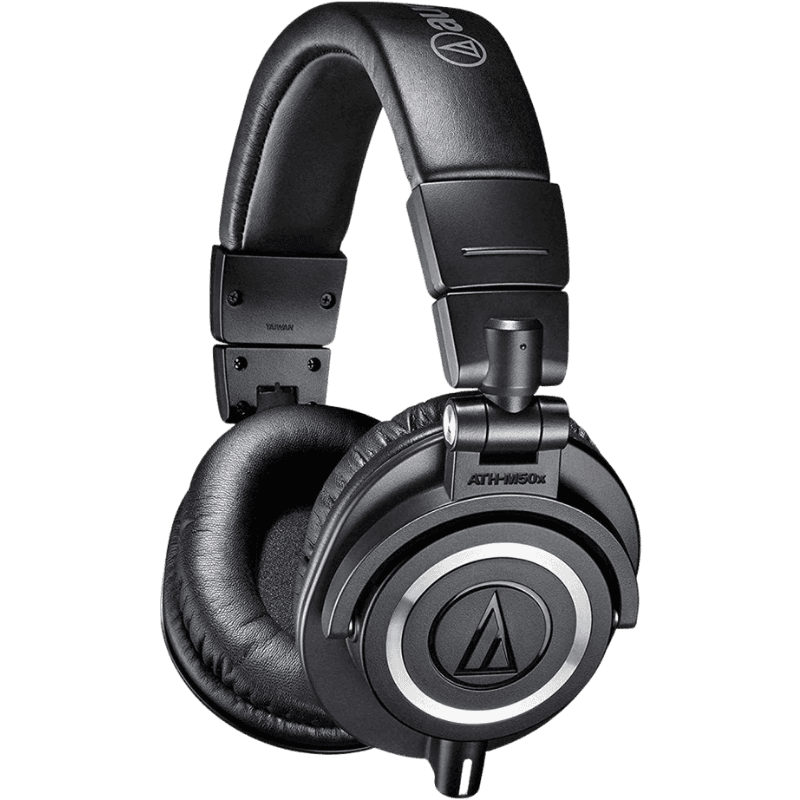
Price: Approx. £130 Best for: DJs who also produce music or want balanced monitoring.
These offer a flatter, more neutral sound that shines for both production and live mixing. Swivelling cups and detachable cables add real versatility.
Pros:
Balanced frequency response great for production + DJing
Comfortable with good swivel for one-ear use
Detachable cables
Strong overall durability
Cons:
Isolation is only average in very loud club booths
Larger frame compared to dedicated on-ear DJ models
Best Stylish & Bass-Focused Durability: V-Moda Crossfade M-100 Master
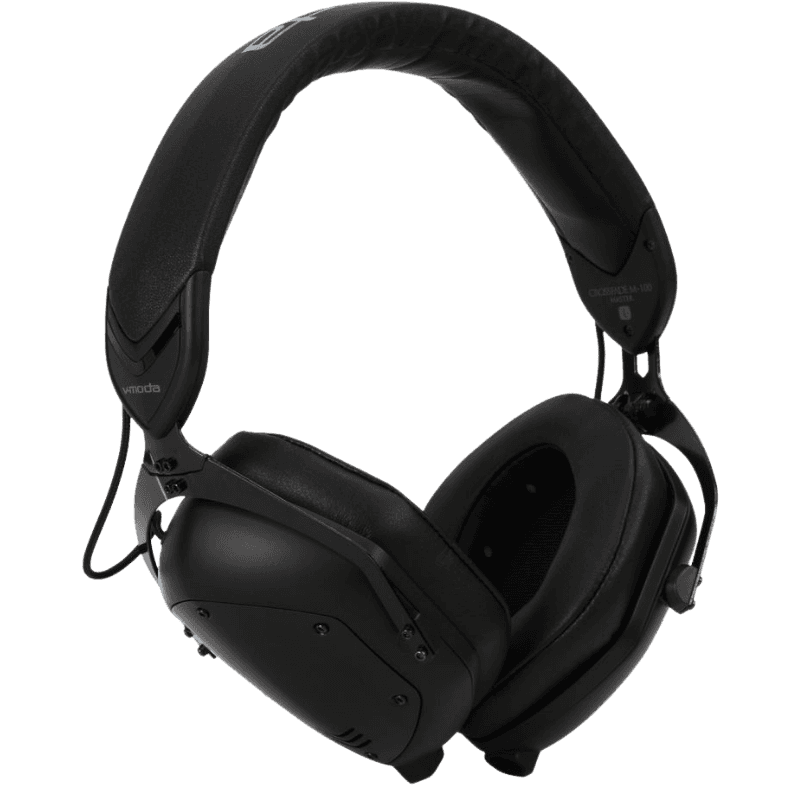
Price: Approx. £220 Best for: DJs wanting premium build, strong bass, and custom style.
Military-grade toughness combined with impressive low-end clarity. Highly customisable shields and a reputation for surviving tough gigging conditions.
Pros:
Strong, defined bass
Extremely rugged build
Comfortable for extended use
Stylish customisation options
Cons:
Larger design may not suit everyone
Higher price point
Best Ultra-Budget Starter: OneOdio Studio Pro 10
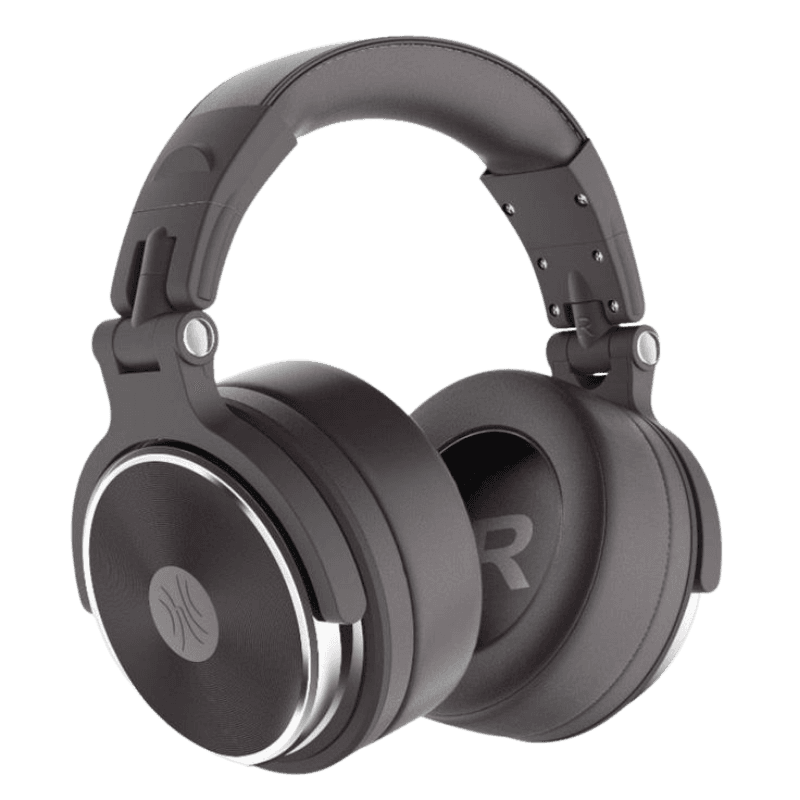
Price: Approx. £30–40 Best for: Complete beginners or as a backup pair.
Surprisingly capable for the money with decent build, isolation, and sound. A solid first step while learning the fundamentals.
Pros:
Excellent value for money
Decent isolation and comfort at this price
Lightweight and easy to use
Cons:
Not as refined in clarity or long-term durability
Bass can sometimes overpower precise cueing details
Best Value Beginner/Entry-Level: Pioneer HDJ-CUE1
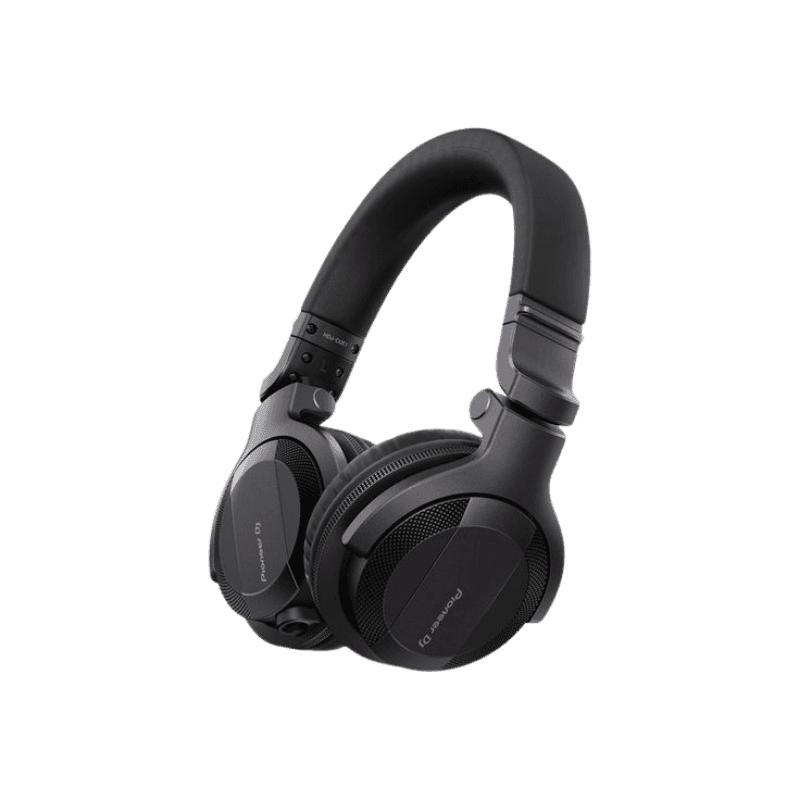
Price: Approx. £70–90 Best for: New DJs stepping up from ultra-cheap options.
A reliable, affordable option from Pioneer with good swivel design and solid performance for home practice and early gigs.
Pros:
Affordable Pioneer quality and build
Good swivel for one-ear monitoring
Comfortable for learning sessions
Cons:
Less isolation than pro-level models
Build quality not as bombproof as the HDJ-X10
Best for Long-Session Comfort: OneOdio Monitor 60 (or similar plush models)
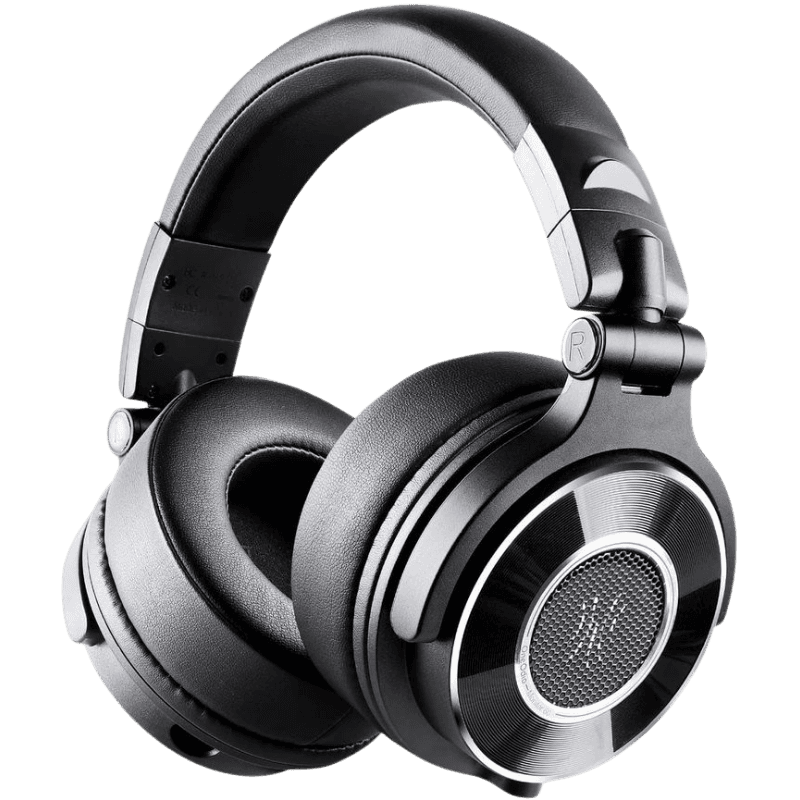
Price: Approx. £50–70 Best for: DJs who wear headphones for 4+ hour sets or extended practice.
Super soft padding and lightweight design make these barely noticeable even after long sessions, while still holding up reasonably well for DJ use.
Pros:
Exceptional comfort for extended wear
Lightweight with soft headband
Decent sound for the price
Cons:
Bulkier and less portable
Durability not as high as premium options
Best On-Ear Modern Alternative: Røde NTH-50
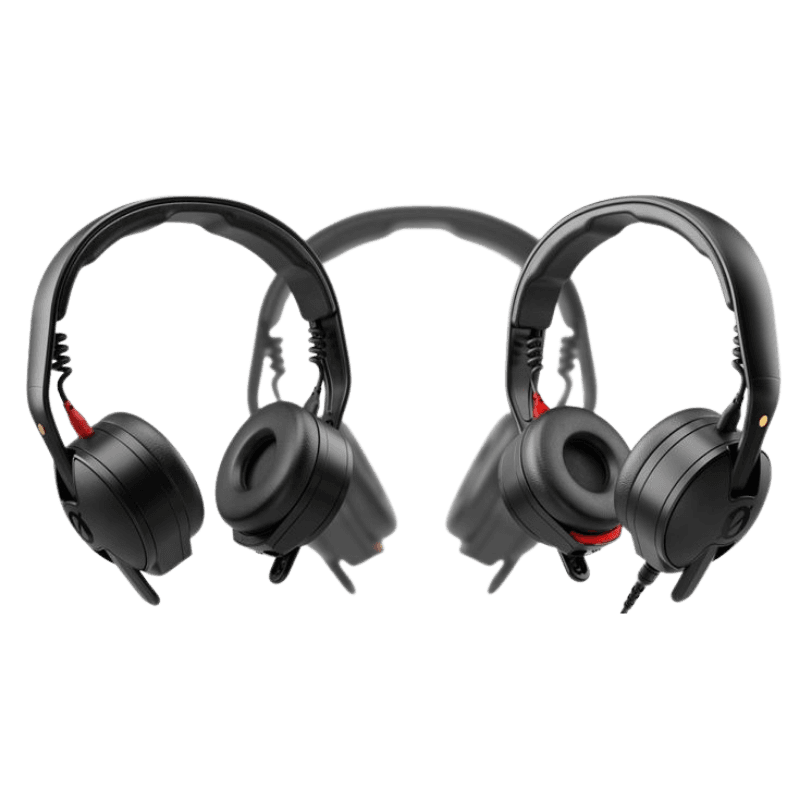
Price: Approx. £90–110 Best for: DJs wanting compact, accurate on-ear sound with pro features.
Lightweight on-ear design with excellent isolation and neutral tuning. Modular elements add longevity.
Pros:
Great isolation and accuracy
Lightweight and compact
Modular/repairable aspects
Balanced sound for cueing
Cons:
On-ear fit may cause fatigue for some users over very long periods
Best Wireless Option: AlphaTheta HDJ-F10
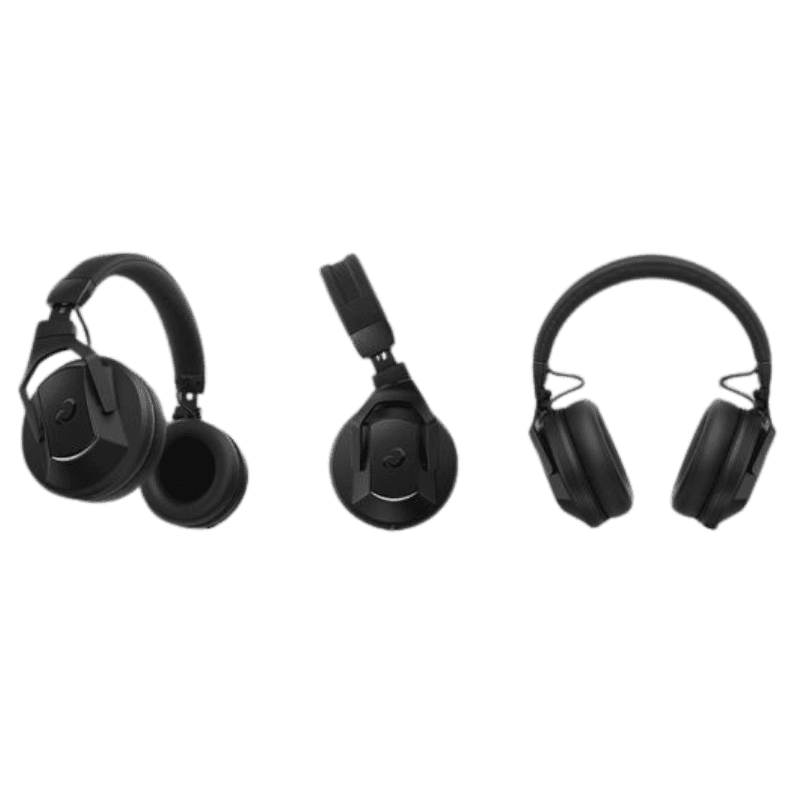
Price: Approx. £250+ Best for: DJs wanting cable-free freedom with low latency.
Modern wireless tech has improved significantly. Low-latency connections make these viable for many live scenarios (test in your setup first).
Pros:
Freedom from cables
Solid sound and isolation in newer models
Convenient for certain booth setups
Cons:
Battery life and any residual latency concerns in critical cueing moments
Higher cost
Best Wireless Modular Alternative: AIAIAI TMA-2 DJ Wireless
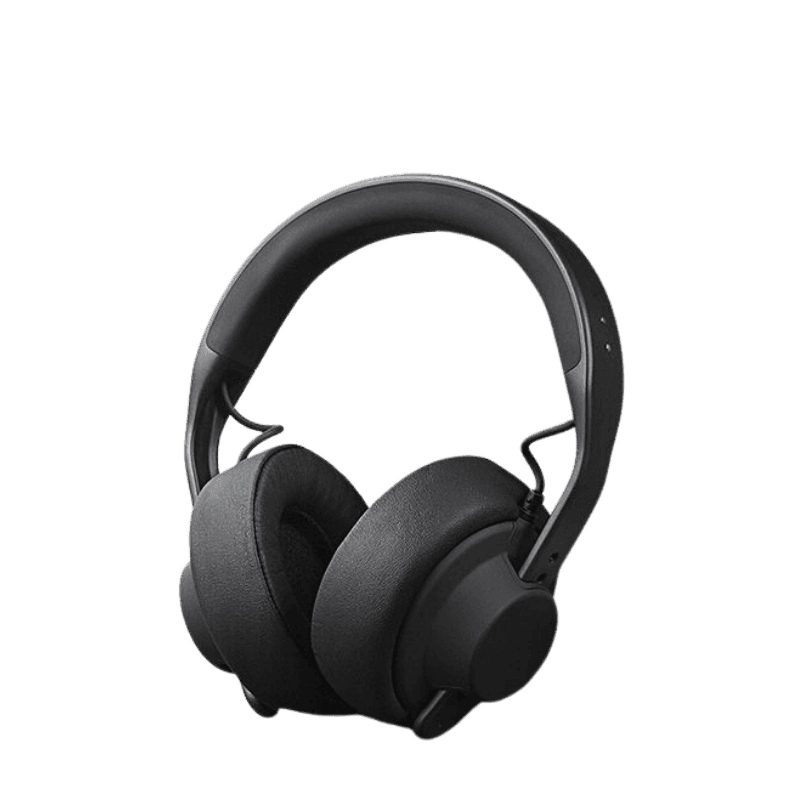
Price: Approx. £250–300 Best for: Customisable wireless performance with low latency.
Combines the modular flexibility of the TMA-2 with wireless freedom and very low latency suitable for mixing.
Pros:
Modular customisation + wireless
Low latency for DJ use
Good bass-forward clarity
Cons:
Still carries a premium price
Battery management needed for long sets
Best Premium Wireless/Pro Hybrid: (Honorable Mention – Technics EAH-DJ1200 or similar high-end wired options)
For those wanting top-tier build with modern twists, look at models like the Technics EAH-DJ1200 for rugged wired performance that many pros still prefer over wireless.
Side-by-Side Comparison Table
Model | Price (approx.) | Best For | Isolation | Comfort (long sessions) | Durability | Sound Strength | Swivel Cups |
|---|---|---|---|---|---|---|---|
Pioneer HDJ-X10 | £300 | Pro gigging | Excellent | High | Excellent | Punchy & clear | Yes |
Sennheiser HD 25 | £130 | Learning & cueing | Very Good | Good | Excellent | Sharp mids/highs | Yes |
AIAIAI TMA-2 DJ | £180 | Custom/sustainable | Good | High | Very Good | Clean & punchy | Yes |
Audio-Technica ATH-M50x | £130 | Production + DJing | Average | High | Very Good | Balanced/neutral | Yes |
V-Moda M-100 Master | £220 | Bass & style | Good | High | Excellent | Strong defined bass | Yes |
OneOdio Studio Pro 10 | £35 | Ultra-budget beginners | Decent | Good | Good | Bass-heavy | Yes |
Pioneer HDJ-CUE1 | £80 | Beginner value | Good | Good | Good | Reliable | Yes |
OneOdio Monitor 60 | £60 | Long-session comfort | Decent | Excellent | Good | Balanced for price | Yes |
Røde NTH-50 | £100 | Accurate on-ear | Very Good | Good | Very Good | Neutral & clear | Yes |
AlphaTheta HDJ-F10 | £250+ | Wireless freedom | Good | High | Very Good | Solid with low latency | Yes |
(Prices are approximate UK 2026 figures — check current retailers for deals.)
Real Feedback from Future Sound Academy
We regularly test these in actual DJ lessons. Beginners often start with the Sennheiser HD 25 or Pioneer HDJ-CUE1 and feel instant improvements in beatmatching. More experienced students preparing for gigs lean toward the Pioneer HDJ-X10 for its isolation and build quality.
One student shared: “I didn’t realise how much detail I was missing with my old headphones. Switching to HD 25s made beatmatching feel way more intuitive.”
Which Headphones Should You Choose?
Regular club gigs / pro use → Pioneer HDJ-X10
Learning beatmatching & reliability → Sennheiser HD 25
Producers who also DJ → Audio-Technica ATH-M50x
Customisation & longevity → AIAIAI TMA-2 (or Wireless version)
Budget / first pair → OneOdio Studio Pro 10 or Pioneer HDJ-CUE1
Maximum comfort for long sessions → OneOdio Monitor 60
Style + powerful bass → V-Moda M-100 Master
Wireless preference → AlphaTheta HDJ-F10 or AIAIAI TMA-2 Wireless
Ready to Try Pro Gear Hands-On?
At Future Sound Academy, we stock many of these models so you can test them properly in a real setup before buying. Our courses combine expert teaching with professional equipment to get you gig-ready faster.
If you’d like to try different models and see what suits your style, book a taster DJ session with us today and experience the difference the right headphones make.